The Mark of a True Professional: Beyond the Fear of Water
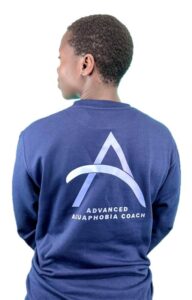
The Mark of a True Professional: Beyond the Fear of Water In the world of personal development and skill acquisition,
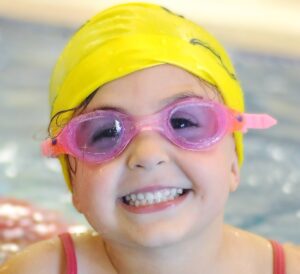
The Unmistakable Look of Victory – From Fear to a Smile
In the journey to overcome aquaphobia, the destination isn’t just about being able to swim. It’s about rediscovering a joy

The Geelong Aquatic Centre: A Sanctuary for Confidence and Skill
The journey to overcoming aquaphobia is deeply personal, and the environment in which it takes place is as crucial as
The Joy of Conquering a Lifelong Fear
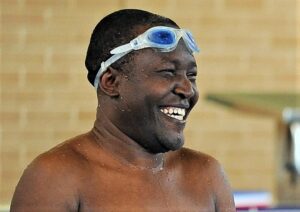
There are moments in life that are truly transformative. Moments where a person, regardless of their age or background, faces
The Trust and Technique of Foundational Floating
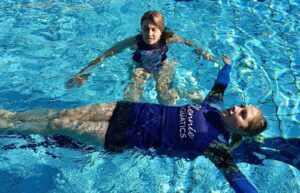
The journey to overcoming aquaphobia is built on a series of small, yet profound, victories. Perhaps the most significant of

The Human Connection – The Face of Compassionate Coaching
Behind every success story at the Institute of Aquaphobia are the passionate and dedicated coaches who make transformation possible. This
New partnership between the IoA and Mobile Pools UK announced
Temporary Above Ground Pools, are helping UK primary school children learn vital water safety skills - and now a leading operator has teamed up with the Institute of Aquaphobia (IoA) to ensure pupils who have additional needs are fully supported.
Mobile Pools UK, which installs 10m x 5m heated swimming pools, directly into school playgrounds, currently operates across London, Essex and Hertfordshire.
Each pool is covered by a marquee, staffed by two qualified teachers, and provides swimming lessons from mid-February to December - all without children ever leaving the school grounds.
Their innovative approach cuts transport costs, reduces lost learning time, and significantly improves safety ratios.
But now Mobile Pools UK is going further, becoming the first Temporary Above Ground Pool provider to integrate the Institute of Aquaphobia’s trauma-informed training - supporting children with anxiety, SEND needs, or previous negative experiences around water.
Founder of the IoA Mike Burman said: "Every child deserves the chance to learn to swim - and that means recognising that each learner is different. Our trauma-aware coaching equips teachers to support children who are anxious, neurodiverse or simply need more time and understanding.
"Mobile Pools’ commitment to delivering best-practice training is exactly what the sector needs. By combining Temporary Above Ground Pools with trauma-informed teaching, we can help thousands of children feel safe and confident in the water, perhaps for the first time in their lives."
Mobile Pools UK and other leading Temporary Above Ground Pool providers could be the answer to the UK's school swimming crisis. Between 30 per cent and 50 per cent of primary pupils leave Year 6, without any awareness or training in water safety, self-rescue or being able to swim confidently 25 metres. Pool closures, rising transport costs and overcrowded lessons have made access even harder, especially in disadvantaged and remote rural areas.
Mobile Pools UK founder Nigel said: “We put the pool directly into the school playground, removing many of the barriers: cost, travel and lost classroom hours. Each 30 minute swimming lesson takes the children away from the classroom for just 45/50 minutes and every child learns in small groups with a 1:6 teaching ratio."
He added: "Our priority is giving every child the best possible chance to learn to swim, including those who are anxious, SEN or neurodiverse. Many of these children arrive to lessons already frightened. The IoA’s training gives our teachers the specialist skills to support them - calmly, safely and with real understanding. That’s why this partnership matters.”
Mobile Pools UK teachers will complete the IoA’s CTA pathway (Certificate in Teaching Aquaphobics) - the UK’s only accredited training in trauma-informed water confidence coaching.
IoA Partnerships Director Jo Lay said: "All children deserve a safe environment to learn to swim in. Children who panic, freeze or fear deep water need different tools, and we’re proud to equip teachers with those skills.”
This partnership is expected to serve as a blueprint for school swimming provision across the UK, especially in areas where access to a local pool is limited.
More children showing 'signs of distress' in water
Thousands of children across the UK are benefitting from a new approach to swimming lessons, as Everyone Active, in partnership with the Institute of Aquaphobia (IoA), introduces specialist training for its swimming teachers.
Through the Aquaphobia CTA 1 certification, developed by the IoA, teachers are trained to identify signs of water-related anxiety and adapt their sessions to meet the emotional and physical needs of each swimmer.
The aim is simple but transformative - to help more children feel safe, confident, and happy in the water by teaching them the key foundation skills that form the basis of aquatic understanding. These skills allow individuals, at any age, to be in the water without fear. This creates a clear pathway to learning swimming strokes with good technique, free from stress and anxiety.
Alison Sutherland, Aquatic & Sport Training Manager at Everyone Active, said: “We are seeing many children in our lessons, both in our learn to swim schemes and school programmes, who have a genuine fear of water. I believe that ensuring teachers complete the Aquaphobia CTA 1 certification gives them the skills to both recognise that fear and adapt their lessons to suit the needs of every swimmer.”
The certification forms part of the wider Aquaphobia Learning Programme (ALP), created by IoA founder Mike Burman, which offers a structured and compassionate pathway to overcoming fear of water. With Everyone Active’s network of more than 2,000 coaches now undertaking the training, the reach of this initiative is truly nationwide.
Gerard McGuire, from Individuality Swimming and Fitness, one of the IoA’s Centres of Excellence based in Bournemouth, said: "We have been following the IoA programme for a number of years now. The core ALP programme — the 12 stages taught in the water - are the foundation of all swimming. We use these principles in all our lessons for children, regardless of whether they are fearful or not.
He added: "There is no doubt that there’s a much higher number of children displaying signs of stress and fear around water, something that has been amplified since Covid. The Aquaphobia Learning Programme really does address these needs, whether a swimmer is four or ninety-four years old.”
Swimming teacher Shelley Whitehead said: "Aquaphobia training will support any swim teacher to help them deliver inclusive school swimming sessions.
"By having an awareness of how fear can inpact on a child's learning in the pool environment, a teacher can support them through activities before their swim sessions start, familiarisation of the centre and what happens in school swimming lessons and then through the small step approach confidence can be built and swim skills developed at the swimmer's pace."
Mike Burman, founder of the Institute of Aquaphobia, added: “Aquaphobia affects an estimated 12.8 million people in the UK. Make no mistake, children who suffer from a fear of water when they are young can easily grow into adults with full-blown aquaphobia. What may seem a small issue at four years old can develop into a major phobia later in life unless it’s identified and treated professionally, with understanding, empathy and the correct type of aquatic teaching.
The ALP system addresses those needs by quantifying the problem and then planning a series of in-water activities designed to help each child gain control, feel safe, and build confidence. Removing the fear first and then teaching the key foundation skills creates a solid platform for learning to swim with good technique — while feeling happy and relaxed in the water.”
New partnership between Institute of Aquaphobia and industry intelligence experts Leisure DB will “change lives”
The Institute of Aquaphobia (IoA), the UK’s first organisation dedicated to understanding and tackling aquaphobia, has announced a new partnership with Leisure DB, the country’s leading provider of independent market intelligence for the leisure and physical activity sector.
The collaboration forms part of the IoA’s mission to upskill swimming teachers and expand specialist training for those working with aquaphobic children and adults - a group estimated to include 12.8 million people in the UK, or more than one in three adults.
Through the partnership, the IoA will gain access to Leisure DB’s sector-leading data and insight, allowing the organisation to better identify and reach facilities, regions and providers where support is most needed. The intelligence will also help shape strategy around workforce development, training adoption and the expansion of the Aquaphobia Learning Programme (ALP), the UK’s only trauma-informed, science-based course of its kind.
Mike Burman, Founder of the Institute of Aquaphobia, said: "Aquaphobia is one of Britain's most overlooked public health issues - it is a hidden epidemic. Millions of people quietly avoid pools, holidays and even basic personal water hygiene because they are afraid. Yet speaking about it remains taboo.
"Our goal is simple - to ensure every swimming teacher has the right tools and confidence to help support those who are fearful of water. Our programme is the only course of its kind - and has helped thousands of people around the world overcome aquaphobia.
"Our new partnership with Leisure DB accelerates our mission and will help us reach organisations that need this training most. It will also support our goal to make aquaphobia support standard practice across the entire sector.”
Jo Lay, Partnerships Director at the IoA, added: “More leisure centres want to be inclusive, but many simply don’t have the tools or training to support aquaphobic swimmers. Leisure DB’s insight will allow us to pinpoint the communities where fear of water is holding people back and work with providers to build pathways into swimming that are safe, compassionate and trauma-informed.”
Leisure DB says the partnership will “change lives”.
Heidi Blackburn, Chief Operating Officer at Leisure DB, said: “Aquaphobia is a significant barrier to participation, yet it often goes unseen.
“By working with the IoA, we can help ensure decision makers and providers have clearer visibility of the issue and the tools to address it. Together, we can help create more welcoming, informed and confident environments that encourage more people to feel safe in and around water.“
Dan Harrison, Sales and Partnerships Manager at Leisure DB, added: “We’re proud to support the Institute of Aquaphobia with their mission to better understand where aquaphobia is most prevalent and where specialist training can have the greatest impact.
“Our role to help shine a light on the communities and facilities that will benefit most from this vital support, and we’re excited to contribute through our partnership that can genuinely change lives, improve communities and strengthen our sector.”
A Life in the Day: Aquaphobia Coach Jason Cram
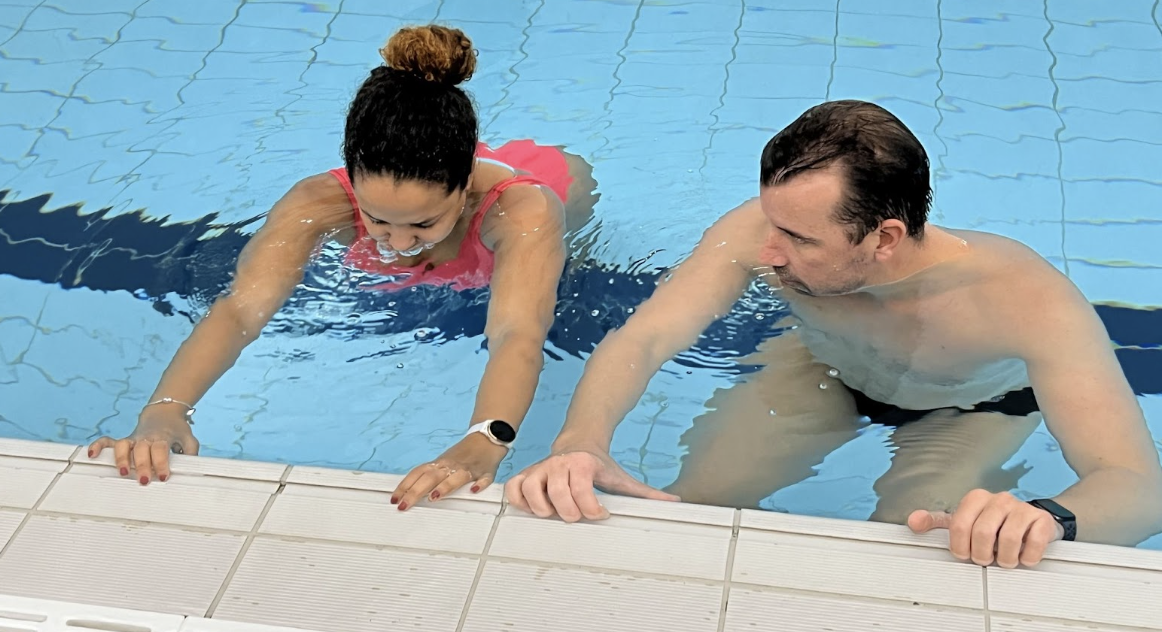
The Institute of Aquaphobia continues its series spotlighting specialist coaches around the globe with a look into the life of Jason Cram, former World Champion, Commonwealth Games gold medallist, and now Head Coach and Director of Swimly in Sydney.
Jason’s mornings rarely begin quietly. With two children under two, “waking up” usually means being woken up. Once the kids are settled, he prepares for a busy schedule that blends family life with his passion for coaching.
Coaching, he says, is the easiest part of his day. Sessions run at the Ian Thorpe Aquatic Centre, Cook & Phillip, or Swimly’s studio pool in Willoughby. Mornings are often dedicated to adults building confidence in the water, while evenings tend to involve more competitive swimmers. His aquaphobia sessions sit at the heart of the day, helping adults overcome lifelong fear of water.
Jason’s path to this work is far from ordinary. After years competing at the highest levels of swimming, training alongside Olympic legend Ian Thorpe, he worked on cruise ships and private yachts - including time with superstar Mariah Carey. It was here that his focus shifted. “I’d see sheer panic in people’s eyes during lifeboat drills,” he recalls. “These were adults living on the ocean, yet they were terrified of water. That was a turning point.”
In his downtime, he began teaching crew members simple survival skills. “Watching fear turn into calm made me realise swimming isn’t just about strokes or medals. It’s about freedom. That’s when my journey into aquaphobia coaching began.”
The rewards, he says, are immense. “Seeing someone who once clung to the edge of the pool float calmly for the first time is incredibly powerful. For adults who carry trauma, that shift goes far beyond the physical.”
Jason has worked with people of all ages, from those resuscitated after near-drowning to a 92-year-old who put their face in the water for the first time. “Every breakthrough is special,” he says. “For me, the ultimate transformation is when someone goes from total fear to swimming in the ocean. It doesn’t just open up the water — it opens up their whole world.”
Away from the pool, Jason admits to a love of chocolate, ocean swims, and listening to podcasts like The Diary of a CEO and On Purpose. His coaches growing up remain his greatest inspiration: “They taught me discipline, patience, and empathy — the qualities I lean on with my own clients.”
The Institute of Aquaphobia, with whom Jason collaborates, estimates that 12.8 million people in the UK alone live with aquaphobia. Founder Mike Burman says: “Jason’s story shows that overcoming fear of water isn’t just possible, it’s transformative. With coaches like him, we can break down barriers worldwide and help people not only stay safe, but truly enjoy life in and around water.”
Institute of Aquaphobia at the STA Conference 2025
Celebrating connection, innovation, and inclusion in aquatics
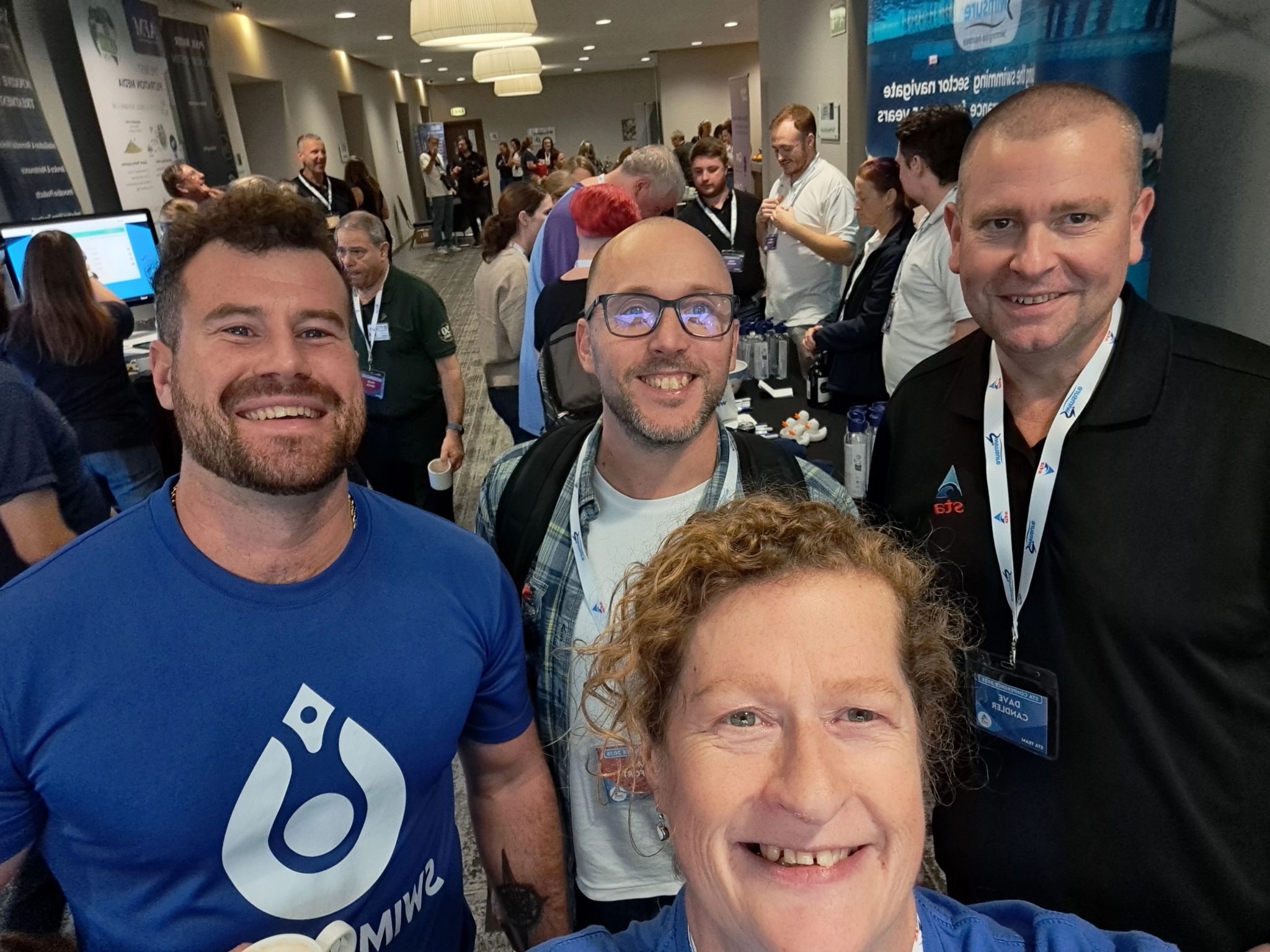
The Institute of Aquaphobia was delighted to take part in the STA Conference 2025, held on October 17-18 - two inspiring days of reconnecting with colleagues across the industry, forming new partnerships, and sharing the latest developments in aquatic education and inclusion.
About the STA Conference
Hosted by the Swimming Teachers’ Association (STA), the STA Conference is one of the UK’s leading annual events for swimming teachers, tutors, operators, and aquatic professionals. The two-day event brings together experts from across the sector to explore best practices in swimming education, water safety, and inclusion. Through keynote talks, workshops, networking sessions, and live demonstrations, the conference provides an invaluable platform for professional development, collaboration, and innovation.
This year’s conference continued that tradition, with a strong focus on mental wellbeing, inclusivity, and new technologies shaping the future of aquatics.
Sharing insights and innovation
Our Director of Community Engagement, Joanna Lay, represented the Institute at the event, joining industry leaders and aquatic professionals for a packed programme of learning, collaboration, and plenty of fun along the way.
“Two days of reconnecting with long-standing colleagues and friends, making new connections, collaborations and partnerships. So much fun with photo bombing, competitions and jokes! Meeting up with current Aquaphobia Coaches and sharing the advances we've made in product development, our amazing suite of apps, and our global map finder.”
— Joanna Lay, Director of Community Engagement, Institute of Aquaphobia
Joanna’s sessions highlighted the Institute’s advances in supporting individuals with aquaphobia, including:
The expanding suite of Aquaphobia apps designed to help both coaches and clients
The global map finder, connecting users worldwide to certified Aquaphobia Coaches
A growing library of client stories and video case studies, illustrating the life-changing outcomes of structured aquaphobia support
These innovations are helping broaden understanding of aquaphobia far beyond traditional swimming instruction — encouraging a more compassionate and inclusive approach to teaching water confidence.
Empowering teachers and swim schools
Drawing on her experience as a former swim school owner, Joanna also shared practical strategies for adapting lessons to better include aquaphobic learners. By doing so, swimming teachers can gain a valuable new skillset, make better use of their pool space and time, and open up new revenue opportunities by engaging a majorly underrepresented group in society.
A heartfelt thank you
The Institute of Aquaphobia extends sincere thanks to Dave Candler, Zoe, and the entire STA team for their outstanding organisation and behind-the-scenes efforts that made the event such a success.
The STA Conference 2025 once again demonstrated the power of collaboration, compassion, and innovation within the aquatics community. We’re proud to be part of this growing movement — one that’s breaking down barriers, building confidence, and ensuring that everyone has the opportunity to enjoy the water.
Lauren’s Story
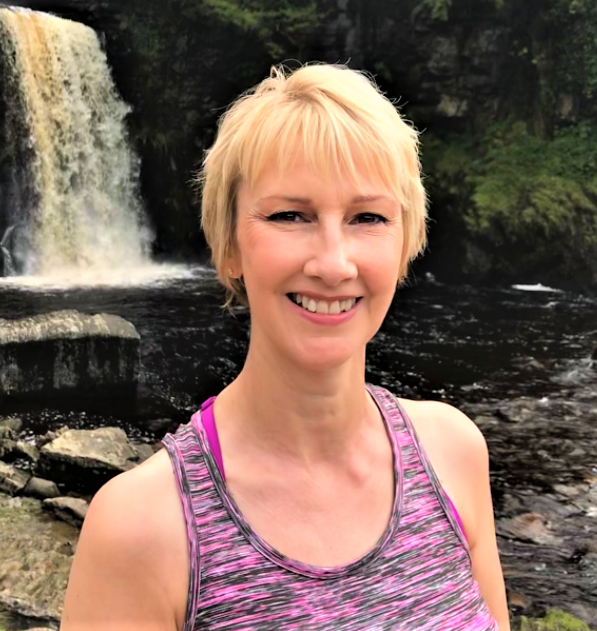
About a Clinical Hypnotherapist who had a life-long phobia of water.
Q: How did you become and how did you overcome your aquaphobia with ALP lessons?
Lauren: I had parents who just didn’t take me swimming. Apparently, my Mum could swim but I never saw her in water. My Dad was allergic to chlorine – so he never got in water at all. I grew up in Blackpool but apart from paddling in the shallow sea there, I’d never really been in water at all. When I got into year 6, I was due to have school swimming lessons and I think my parents freaked out a bit, thinking that everybody could swim, and I was the only child who couldn’t swim at all.
I have an older sister and when I was 10, they sent me swimming with her a couple of times and she tried to get me to float on my back. However, I didn’t trust her not to push me under – although she never did - so that didn’t go well. After that I was due to have my school swimming lessons, but at the pool before the lesson, I unfortunately had quite a bad accident and chopped the end of my finger off in one of the heavy doors.
The consequences of that were that I had to have an operation and was out of action so I couldn’t have my school lessons. So, I still hadn’t really been in water.
Another year or so went by and when I was about 11 my parents did have another attempt to try and get me to swim and they booked lessons for me. They decided that I needed private swimming lessons and that’s what gave me my water phobia. Until then I was neutral about water and swimming.
Q: So, may I ask, what in that lesson caused you to have a phobia?
Lauren: Well, where I learned there was an enormous swimming pool, an Olympic sized pool, but there was also a separate room with quite a big trainer pool in it. I was quite tiny at 11 and the water was very deep for me - it was up to the top of my chest and the whole pool was the same depth. The teacher just kept telling me to swim – but as I’d never been in the water, I didn’t know the concept of floating or swimming. So, every time I tried to move or leaned forward, in whatever way I could, I obviously went under the water a lot. All the teacher did was just push me back into the middle of the pool repeatedly with a long pole. He was just sitting on the side. I inhaled large amounts of water and he had to jump in in the end and pull me out from under the water. I was in quite a bad way – I was laid out on the side of the pool for quite a long time, unable to breathe very well and was coughing up lots of water. This experience shouldn’t have happened. And that was what did it really. That gave me an extreme fear of water.
Utterly horrendous. I was 11 then. I’m 52. 41 years ago.
So that gave me the phobia. I couldn’t even be splashed in the face. I basically avoided all water activities. I didn’t go on a boat;I couldn’t walk around the edge of a swimming pool. I avoided everything to do with water.
Q: What about having a shower or bath.
LAUREN: I could go in the bath, but I couldn’t put my head in the water. I could have a shower but couldn’t put my face under the shower.
Q: What do think it would make you feel if you had put your face under the water in a bath or shower?
LAUREN: I just got that gasp (gag reflex) where I couldn’t breathe. It was an automatic reflex that I didn’t have any control over.
Q: The consequences of what that swimming teacher did are quite staggering really – the effect it had on your life. And of course, presumably it’s not just you, it’s your family and friends as well?
LAUREN: It has affected absolutely everything really. I do have children, so I made sure that they had proper swimming lessons. And while they had a lot of choice over the activities they did, for me swimming lessons were something they just had to do. And they both loved it; they are really good swimmers and swim a lot now.
Q: That’s very good that you didn’t let that negative cycle transference happen.
LAUREN: No. I was pretty determined that I wasn’t going to let that happen. They never knew until they were already good swimmers, that I had a fear of water.
Q: That’s pretty exceptional. Because a lot of people we have come across and parents, have transferred that fear to their children. So, at the moment we are looking at research into the importance of Parent and Baby classes in terms of overcoming fear, social bonding and child development. Parents who are scared of water or have limited aquatic skills, either abstain and miss out all together or they will transfer their stress into the child during the swimming lesson.
LAUREN: It happens a lot and, in my job as a clinical hypnotherapist, I see a lot of aquaphobic adults, and see that often the stress has been transferred from their parents. Either from a bad experience or directly from parents, who were always extremely worried around water.
Q: How do these people get to you?
LAUREN: I’ve been doing this job for quite a long time. I’m quite a well-known hypnotherapist in the area. I do get people who travel quite a long way to see me and I get referrals as a Clinical Hypnotherapist. Obviously, it’s the quality of your life that’s important. I think people get to the point in their life where they think “I need to do something about this”. I work on a lot of desensitisation for different phobias and issues, including water. Quite often when people are having lessons, or even before they can begin lessons, I step in and try and help them there. And for a lot of people, if they have experienced a negative experience in a pool, the smell of chlorine is a trigger for them.
Q: How did you meet Tom Glover at Glovers Swim School and what inspired you to go and take lessons?
LAUREN: I decided that enough was enough. I was already a clinical hypnotherapist then, so I did quite a lot of prep on myself. I decided that I wasn’t going to let this fear defeat me anymore. My motivation was as much to show to myself that I could overcome something to be honest, as an ability to swim. Because really, technically, I have spent most of my life not swimming and I thought if I don’t swim, I can still live with it, because I have already lived with it all my life. I wouldn’t say the drive was particularly being able to swim, it was that I needed to be strong enough to overcome the fear and show myself that I can actually do something that terrifies me. That was my motivation.
I was 49, so, I was coming up to my 50th birthday, which was probably, subconsciously, a bit of a driver as well. I found Tom by chance, just phoning around. I knew that I wanted one to one lessons, I knew that I wasn’t capable of getting in a pool with a lot of different adults, even though they were adult learners. I found a gap in the market regarding this, which is where you probably found it. It’s easy to find children’s lessons but not so easy for adult lessons. This was 3 years ago.
Q: How long did you have ALP lessons for?
LAUREN: Well, Tom started off by teaching me to put my face in the water and I did nearly leave because I thought no, I want to swim with my head out of the water. That was a really big issue for me. However, Tom was amazing, and I stayed. He taught me ALP safe breathing techniques. So, I had quite a lot of lessons but then unfortunately I got diagnosed with cancer and I had to stop my lessons for a year because I needed a lot of treatment. I went back again once I was better. Then I had another break for another operation. But then I went back again and stopped having lessons in October 2019. So, it’s been a bit on and off.
Q: What did Tom do in the ALP lessons that helped you so much?
LAUREN: He was very patient and understanding. I needed to do some self-hypnosis before I could get my head in the water, every single time I had to get in. Tom gave me space to do that and never rushed me. He was very encouraging, in a realistic way, and suggested that I should keep a diary on my phone of the things that I’d done well.
Every time I turned up for the lesson I still panicked initially. I spent weeks and weeks panicking before my lesson and feeling really sick and shaking. It took quite a lot of getting over, but I consistently went and Tom was consistently there. He showed unconditional positive support and patience through my moments of self-doubt and occasional tears of frustration.
I also found, what was really good, is that he listened to what I was saying and doing and tailored my next ALP session, taking that into account with this excellent programme. So, if I’d gone backwards a bit, he wouldn’t just press on relentlessly, he would go back and address that issue. I found both Tom and ALP extremely responsive and that really helped me. I now swim every week and I love it!
This has ultimately helped me change a number of other areas of my life in a much more positive, confident way, that I would not have done prior to overcoming my aquaphobia.
Aquaphobia: A Real Fear, A Real Journey
Water - The element that sustains life, nourishes us, and surrounds us. It covers 71% of the Earth’s surface and makes up between 50–70% of the human body. For most, it’s an everyday presence we rarely think about. For others, however, water is not a source of calm but of fear.
Aquaphobia is the intense fear of water and is a very real condition. It can manifest physically and mentally, causing anxiety, distress, and even debilitating avoidance of situations that involve water. For those who suffer, the impact is profound.In this editorial, we highlight two connected stories. One is about a swim teacher who sought specialised training to better support people with aquaphobia. The other is about a young man named Vinnie, who is taking courageous steps to face and overcome his own fear. Though their journeys differ, the common thread is water and the challenge of reclaiming confidence in its presence.
Case Study 1: The Swim Teacher
By Louise Atkin
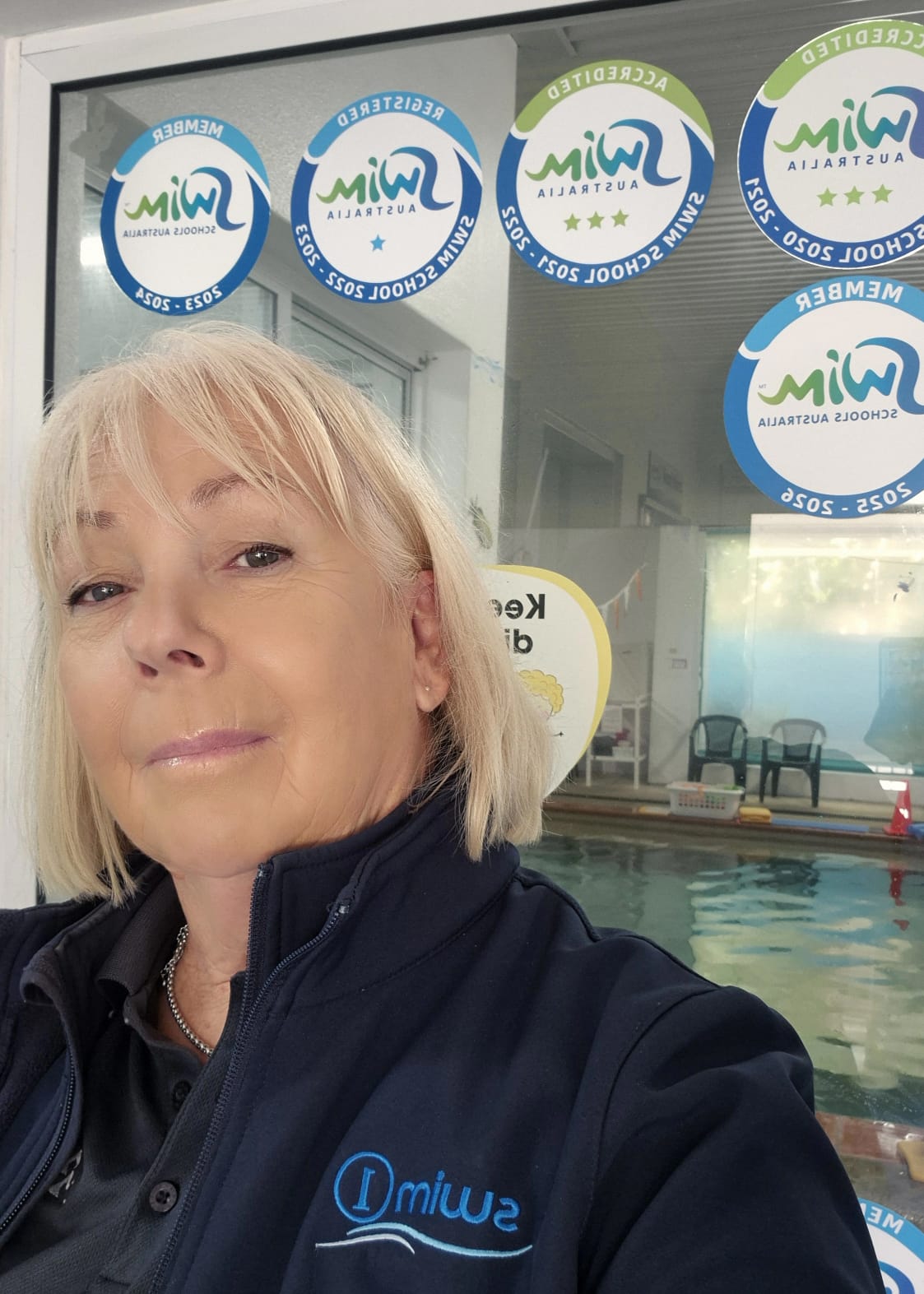
My career began in the fitness industry, where I first worked in a gym that also had a pool. Naturally, I found myself drawn to aquatics. First as a water aerobics instructor and later as a swim teacher. Over the years, I’ve worked with people of all ages, backgrounds, and abilities, from energetic children to adults with special needs.My greatest turning point came when I discovered the Institute of Aquaphobia through the SWIM Coaches & Teachers Australia (SWIM) website. I had already worked with clients struggling with water-related fear, but this course shifted my perspective entirely. It taught me that aquaphobia coaching is not about wrapping someone in cotton wool, it’s about empathy, patience, and creating a safe environment where individuals can build confidence step by step.An aquaphobic coach’s role is to help clients feel safe in the water, to recognise progress, and to celebrate every achievement, no matter how small. The Institute’s CTA1 and CTA2 Advanced Aquaphobia Coach courses provide practical tools and approaches to achieve this. For me, helping someone move from fear to joy in the water is one of the most rewarding experiences imaginable.“In a world where some are trying to be different, some just want to be the same.”
Case Study 2: Vinnie’s Journey
Vinnie is a young man whose fear of water began with a traumatic near-drowning incident at a resort pool. Since then, the mere thought of being near the water has triggered severe anxiety including physical shaking, mental distress, and complete avoidance. As a swim teacher and a mother, it was heart breaking to see.So, how could we help Vinnie take back control of his life? His plan of recovery has been slow and structured:• Gradual exposure: Introducing him to the pool environment from a safe distance, reducing anxiety little by little.• Breathing techniques: Teaching controlled breathing to manage fear and stay calm.• Visualisation: Using guided mental imagery to picture himself safe and confident in the water.• Self-Evaluation: Asking Vinnie to rate each activity on a scale of 1 to 10, helping him track progress in his own words.• Games and play: Incorporating fun, non-threatening activities like hoop shooting or poolside races to associate water with positive experiences.• Floatation aids and support: Providing reassurance and physical tools to help him feel secure.Eight months later, the transformation is inspiring. Vinnie now participates in swim class with his peers. The fear that once controlled him is gradually being replaced with confidence and pride. For his teacher, the joy of watching him smile in the water is simply priceless.
Moving Forward
Both Louise’s and Vinnie’s stories show us that aquaphobia is real, but it is also conquerable with the right support. Education, patience, and structured guidance can change lives. The Institute of Aquaphobia, through its CTA1 and CTA2 courses offered via SWIM, is leading the way in giving coaches and swim teachers the tools to help individuals face their fears and reclaim the water as a place of confidence and joy.Water is life, but for some, it is also fear. With compassion and the right approach, that fear can become freedom.If you’re interested in learning more or to enrol, visit www.aquaphobia.academy